
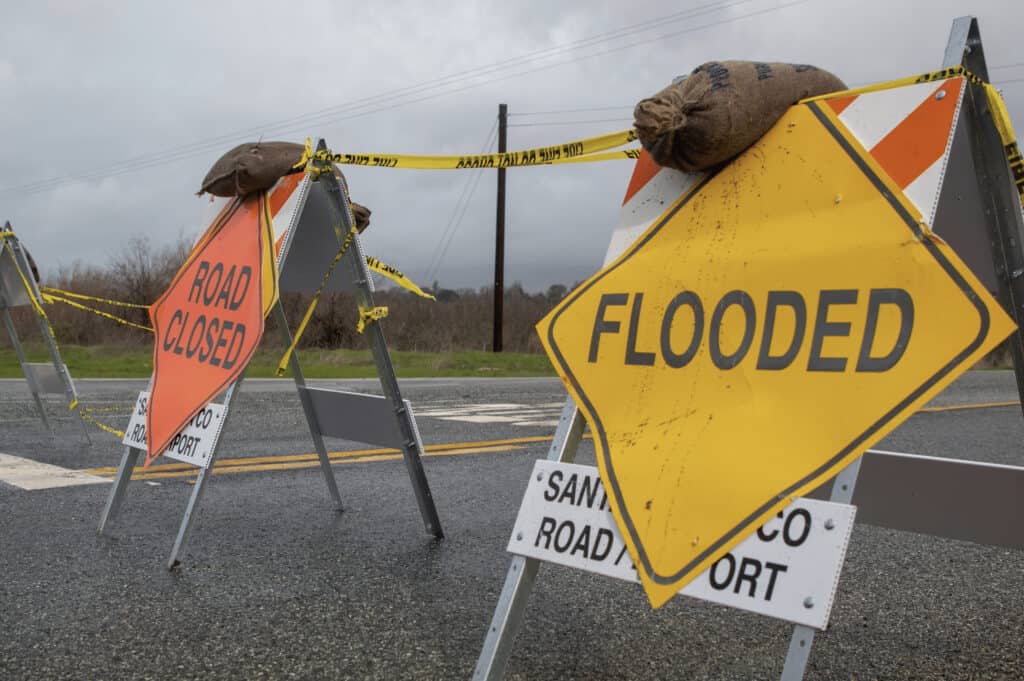
Forecasters are tracking what could be one of the strongest El Niños on record. In its October 8 update, NOAA’s Climate Prediction Center said a strong to very strong El Niño is likely through January to March 2027, with a greater than 83% chance, and put the odds of a historic event, one that exceeds every El Niño since 1950, at 83% for October to December.
What that means for Los Angeles is less certain. Very strong El Niños usually bring above-average rain to Southern California, mostly from heavy storms between December and March, but not every one delivers. The 1997-98 event produced more than 30 inches of rain in Los Angeles. The very strong El Niño of 2015-16 ended up as the 13th driest year on record for the city.
Nobody can promise how much rain is coming, so the practical approach is to prepare for a wet winter while the weather is still dry. Most of this list is ordinary home maintenance that pays off in any year, and it is far easier to do on a dry weekend this fall than during the first storm. At Hearth LA, we’ve pulled it together, along with an emergency checklist shared by a local community group, so everything is in one place.
Start With Drainage
Drainage is the best place to begin because it is the easiest to fix and it affects everything else on this list.
- Clear leaves and debris from gutters, downspouts and drains.
- Make sure runoff is directed away from the house rather than pooling near the foundation, garage or entryways.
- If you have a sump pump or drain, test it, and consider a backup power source.
- Where it is safe to do so, keep the storm drains near your property clear of leaves and debris.
Check the Roof
If your roof is older, or you’ve noticed signs of a leak, now is a good time to have it looked at. Water stains on a ceiling, peeling paint, or an old leak you never quite resolved are all good reasons to make repairs while the weather is dry. A roofer can check for loose shingles or tiles, damaged flashing and clogged roof drains. Roof inspections are best left to a professional rather than a ladder and a free afternoon.
Walk the Yard and Check the Trees
Trim dead or weak branches, especially those over the house or driveway, and take a look at any trees close to power lines. Work near power lines should be handled by a professional. Put away or secure umbrellas, lightweight patio furniture, decorations, trash cans and garden equipment, since anything loose can become a problem in high winds.
Hillside Homes Need Extra Attention
Slopes deserve a closer look before heavy rain. If your property is on or below a slope, check the drainage, retaining walls and surrounding soil. Watch for erosion, new cracks, blocked drainage or anything else that wasn’t there before, and bring in a qualified professional if something looks concerning.
If you live near a recent burn scar, such as the Eaton fire area in Altadena, the concern is higher. In past storms, the National Weather Service has flagged the Palisades, Franklin, Eaton and Bridge burn scars for flooding and debris flows.
Get Your Sandbags Now
If your property is prone to water intrusion, have sandbags ready before the first storm. City of Los Angeles residents can pick up to 25 free ready-to-fill sandbags per household at any neighborhood LAFD fire station, year-round. Call ahead to make sure the station has them in stock, since demand climbs quickly when rain is in the forecast.
- LAFD does not fill, deliver, install or remove sandbags. Free sand is available at select locations when conditions warrant.
- Sandbags work best when placed to divert moving water away from structures, not to dam it.
- Filling and placing bags is physical work. For larger or more complicated needs, consider a licensed contractor.
- Outside the City of Los Angeles, check with your city or LA County Fire. Pasadena, South Pasadena and other cities run their own programs.
Review Your Insurance Before Storm Season
This is the item most people don’t think about until it’s too late. Standard homeowners policies generally don’t cover flooding, and they may not cover mudslides either. Flood insurance is a separate policy, and through the National Flood Insurance Program it typically takes 30 days to go into effect, so it can’t be bought once a storm is on the radar. FEMA notes you don’t need to live in a floodplain to buy a policy. A policy purchased in late October would be in force by late November, ahead of the heaviest part of the season.
Ask your insurance agent what your current policy covers and what it doesn’t, including mud and debris flow if you’re on or below a slope. This is general information rather than insurance advice, and your agent can tell you what makes sense for your property.
Build a 72-Hour Emergency Kit
Heavy rain can bring power outages, road closures and flooding, so it’s worth having the basics together in one easy-to-find place. This list is adapted from an El Niño preparedness sheet shared by What’s Up in Altadena.
- Water: about one gallon per person per day, plus extra for pets.
- Food and first aid: shelf-stable food, a manual can opener, medications and basic first-aid supplies.
- Light and communication: flashlights or headlamps, extra batteries, and a battery-powered or hand-crank radio.
- Power: charged power banks and charging cables. Solar chargers can help, but cloudy weather reduces their output, so have another charging option too.
- Clothing: warm, dry clothing, blankets, sturdy shoes and rain gear.
- Documents: important papers, emergency contacts, cash and copies of prescriptions.
- Pets: food, water, medications, a leash or carrier, and waste bags.
Keep essentials on hand for everyone in the house, and try to keep your car fueled before a major storm.
Sign Up for Alerts and Know Your Route
Emergency alerts only help if you’re registered for them. Sign up for the system that covers where you live:
- City of Los Angeles: Notify LA
- LA County: Alert LA County
- Pasadena (PLEAS), South Pasadena (Connect South Pasadena) and Glendale each run their own systems. LA County keeps a full list of city programs at ready.lacounty.gov.
If you live near a creek, canyon or low-lying area, know your flood and evacuation routes and identify the nearest higher ground ahead of time. And check in with neighbors who might need a little extra help. In a storm, they’re usually the first people you’ll hear from.
Your Dry-Weekend Checklist
Pick a dry weekend, print this page, and work through it.
Around the house
- Clear gutters, downspouts and nearby drains
- Confirm runoff is directed away from the foundation, garage and entryways
- Test the sump pump or drain, if you have one
- Have the roof checked for loose tiles or shingles, flashing and old leaks
- Trim dead or weak branches and check trees near the house and power lines
- Secure or store patio furniture, umbrellas, trash cans and garden equipment
- Inspect slopes, retaining walls and drainage if you’re on a hillside
Protection and coverage
- Pick up sandbags from your neighborhood fire station (call ahead)
- Ask your agent about flood and mudslide coverage, and allow 30 days for a new flood policy to take effect
Supplies and readiness
- Build or refresh your 72-hour kit
- Charge power banks and know where your flashlights are
- Stock extra food and water for the household and pets
- Keep your car fueled before a major storm
- Sign up for local emergency alerts
- Know your evacuation route, and check in with neighbors
Buying or Selling a Home in Los Angeles This Winter
If you’re house-hunting in Los Angeles this winter, the rainy season is useful information. A dry-weather showing can’t tell you where water collects, how a roof is holding up or whether the drainage around a property does its job. A few things worth asking about before you make an offer:
- The roof: its age, any past leaks, and what repairs have been done.
- Drainage: how the lot drains, where the downspouts empty, and whether water pools near the foundation, garage or entryways.
- Hillside properties: the condition of retaining walls and any signs of erosion or new cracks, ideally reviewed by a qualified professional.
- The natural hazard disclosure: In all California residential sales, a Natural Hazards Report is provided, sellers provide a Natural Hazard Disclosure Statement that states whether the property sits in a mapped flood, fire, earthquake fault or seismic hazard zone. The seismic category includes landslide zones. Review it with your agent.
- Insurance: get quotes early, and remember that a new flood policy takes about 30 days to take effect.
If you’re selling, gather records of recent roof, gutter, drainage and retaining-wall work before you list. Buyers pay attention to this in a wet year, and clear documentation helps them feel confident.
Hearth LA is a boutique real estate team that works throughout Los Angeles. If you’re weighing a hillside property, or wondering how a particular home will hold up this winter, that’s a conversation we’re glad to have. You can reach us at hearthla.com.
Further Reading
- NOAA Climate Prediction Center – ENSO Diagnostic Discussion – October 8, 2026 update: strong to very strong El Niño likely through January to March 2027 (greater than 83% chance); 83% chance of historic strength in October to December. Updated monthly; next update November 12.
- NBC Los Angeles – Will El Niño bring a wet winter for Southern California? – Rainfall history from the 1997-98 and 2015-16 El Niños
- KTVU – Strengthening El Niño has a stronger presence in the new winter outlook – How impacts are expected to build through the winter
- NIDIS – Southern California Drought Outlook, September 2026 – Very strong El Niño events and December to March storms
- LAFD – LAFD Provides Sandbags for Homeowners – Free sandbags, 25 per household, at all neighborhood fire stations
- Spectrum News – Los Angeles free sandbags – Calling ahead, diverting rather than damming water, and safety guidance
- CBS News Los Angeles – Where to get sandbags for the latest storm – NWS flooding and debris flow concerns for the Palisades, Franklin, Eaton and Bridge burn scars
- FEMA – Flood Insurance Claims – Homeowners insurance and flooding, the 30-day waiting period, and buying outside a floodplain
- UC Berkeley – California Natural Hazard Disclosure Law – The six hazard zones covered by the Natural Hazard Disclosure Statement
- City of Los Angeles – Notify LA – City emergency alert sign-up
- LA County – Emergency Notifications – Alert LA County and a list of city alert systems