
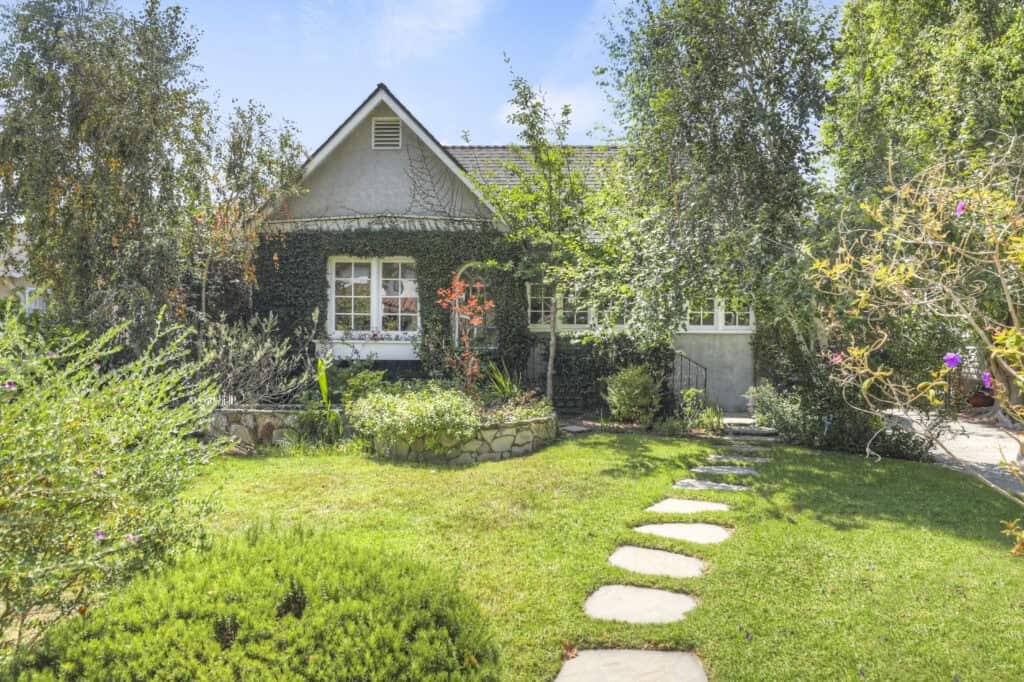
Los Angeles is a patchwork of neighborhoods, each with its own architectural charm. In this guide, we’ll stroll through L.A.’s most beloved residential architectural styles. From storybook cottages to sleek modern dwellings, L.A.’s home styles are as diverse as its people. In fact, “LA’s architecture is hyper-varied by neighborhood: One block might be Spanish Colonial Revival, the next Craftsman, the next Mid-Century Modern, and so on” (sarahscales.com). This rich mix means there’s something for everyone, whether you’re an old-home romantic or a fan of cutting-edge design.
In this article, we’ll explore popular home styles you’ll find across Los Angeles today. For each, we’ll describe the look in plain language, point out distinctive features, share neighborhood examples, and give tips for homebuyers or renters on how to spot and appreciate the style.
At hearthLA, clients often come in convinced they want a specific architectural style, but what actually wins them over is how a home feels. When we really listen to what draws them in, it’s often high ceilings that create a sense of airiness, oversized windows that flood rooms with natural light, or outdoor space on all sides that makes a home feel more expansive than its square footage suggests. Those qualities are not exclusive to one architectural style, even if it feels that way at first. Once we help clients focus on how a home lives rather than the label attached to it, their options often open up in meaningful and unexpected ways.
Let’s get started on our architectural tour!
Spanish Colonial Revival: Sunlit Romance with Old-World Charm
What it is: The Spanish Colonial Revival style is perhaps the signature Southern California look. Think white stucco walls, red tile roofs, arched doorways, and wrought-iron details under our golden sun (sunset.com) (latimes.com). These homes feel like charming old Spanish villas, even though most in L.A. were built in the 1920s and 1930s. They were designed to evoke the romance and fantasy of Old California and Europe, fitting right in with Hollywood’s golden age glamour (sunset.com). Walking up to a Spanish Colonial Revival house, you might notice a warm, welcoming vibe, often a courtyard or lush front garden invites indoor-outdoor living (a hallmark of this style) (latimes.com).
How to spot it: Look for red clay roof tiles and creamy or pastel stucco exteriors, usually one or two stories tall. Arches are everywhere. Over windows, front entries, and verandas. You may see carved wooden doors and decorative ironwork (railings, window grilles, lanterns) adding a touch of artistry (sunset.com). Many include courtyards or patios — even on small lots, there’s often a tucked-away outdoor space with colorful tilework, like a tiled stairway, fountain, or garden nook that adds both charm and function. (latimes.com). Interiors often feature exposed beams and stucco fireplaces. It’s a style that “taps the climate and local materials” of Southern California, feeling almost like the spirit of California itself (latimes.com)
Neighborhood examples: You can find storybook examples all over L.A. Historic districts like Carthay Circle in Mid-Wilshire are filled with these red-roofed gems. In fact, Carthay Circle was planned in the 1920s as an enclave of Spanish Colonial and Mediterranean-style homes around a central plaza (laconservancy.org). Whitley Heights in Hollywood is another famous cluster; its Spanish Revival villas housed 1920s film stars and helped popularize the style across the city (latimes.com). You’ll also spot beloved Spanish Revival homes in neighborhoods like South Carthay, Hancock Park, and Los Feliz, often preserved as historic treasures.
Why people love it: Spanish Colonial Revival homes have an “old-world escape” atmosphere. Living in one feels like a sunny vacation at home (sunset.com). Homebuyers adore the romantic details (curved openings, hand-painted tiles, rustic wood) and the way these homes blend indoor and outdoor living with courtyards and big windows. They’re perfect for L.A.’s climate. Thick stucco walls keep interiors cool, while patios and porches are made for sipping lemonade on a warm evening. If you crave character, history, and that “warm, deeply textured” vibe (sunset.com), a Spanish Revival might steal your heart.
From our experience touring and selling these homes, the layout of Spanish-style houses plays a major role in how they are experienced day to day. Rooms are often larger, and arched openings between spaces, rather than standard doorways, create a feeling of openness without fully removing separation. At the same time, many traditional Spanish homes do not naturally offer the indoor-outdoor flow buyers expect from newer construction. For many clients, that balance of openness and definition is exactly what makes these homes feel timeless and grounded.
Homebuyer tips: Do you love sunlight, gardens, and vintage charm? A Spanish Revival could be your dream. To spot one on your house hunt, note the roof and archways first. Those red tiles and rounded arches are a giveaway. Peek at the landscaping: many have lovely drought-tolerant gardens with bougainvillea or palms enhancing the Mediterranean feel. Inside, appreciate details like coved ceilings, antique sconces, and colorful tile work. Keep in mind many of these homes are 100 years old (give or take), so you’ll want to ensure updates (plumbing, wiring) were done sensitively to preserve the historic character. But maintained well, these homes age gracefully, much like a fine California wine.
Craftsman: Handcrafted Cozy Bungalows with Nature at Heart
What it is: The Craftsman is the quintessential California bungalow: cozy, solid, and utterly charming. Popular from the early 1900s through the 1920s, Craftsman homes were born from the Arts & Crafts movement, emphasizing natural materials and handiwork. In L.A., that translates to one-story (or modest two-story) houses with low-pitched gable roofs, overhanging eaves, big front porches, and lots of wood and stone details. They feel warm and welcoming, like the hug of a house. Craftsman homes were built with a respect for nature and simplicity, which remains a huge part of their appeal today (latimes.com).
How to spot it: First, look for the deep porch stretching across the front, often with thick, squared columns sitting on stone or brick piers. The roof will be low and gently sloped, with wide eave overhangs showing exposed rafters or beams poking out (Craftsman builders loved to reveal the structure rather than hide it) (abclosangeles.com). Many Craftsman homes have tapered pillars and trim details that create strong horizontal lines, blending the house with the landscape. The materials stand out: you’ll see wood siding (often clapboard or shingle, in earthy paint tones like olive green, brown, or deep red) (abclosangeles.com), and accents of natural stone or clinker brick on porches and chimneys (abclosangeles.com). Windows usually have multiple small panes over a single large pane (the classic Craftsman double-hung window), sometimes with art glass designs (abclosangeles.com). Inside, look for built-in cabinetry, cozy nooks, and lots of rich woodwork (beamed ceilings, wainscoting, window seats). Everything feels handcrafted with love.
Neighborhood examples: Craftsman bungalows are beloved across Southern California. you’ll find them from Long Beach and Orange up to Santa Barbara, but Pasadena is Craftsman heaven (latimes.com). Pasadena’s famous Bungalow Heaven neighborhood is a 16-block area filled with beautifully preserved Craftsman homes, one of the highest concentrations in America (pbssocal.org). Strolling there, you’ll see porch-sitters, blooming gardens, and that timeless neighborhood charm. In the city of L.A., areas like Highland Park and Echo Park, West Adams, and parts of Silver Lake and Los Feliz boast many Craftsman gems (often protected by historic preservation zones). In fact, “nowhere are they as prevalent as Pasadena,” but in recent years Craftsman popularity has surged all over L.A. as people crave well-made, no-nonsense homes that embrace nature (latimes.com).
Why people love it: Architecture truly curates how a home is lived in, and we see that clearly with Craftsman homes. These houses tend to be more compartmentalized, with defined rooms that create a slightly darker, moodier atmosphere, often in a romantic and charming way. Many Craftsman homes feature three or four bedrooms of similar size that share one or two bathrooms, which naturally encourages a sense of togetherness. For buyers who value coziness, character, and a home that feels intimate rather than expansive, this layout can be deeply appealing.
Craftsman homes exude coziness and character. With their warm wood built-ins and human-scaled rooms, they just feel good to be in. Homebuyers often gush over details like the inglenook fireplaces flanked by bookcases, the handcrafted trim, and the connection to nature (big windows framed by trees, porches made for enjoying the breeze). As one Pasadena Craftsman owner put it, “It’s cozy. It’s warm” inside a Craftsman (latimes.com). These homes were built with an honesty and quality that’s visible, you can see the joints, the grain of the wood, the artisanal touch in every fixture. That authenticity is key to their enduring popularity (latimes.com). In a city as busy as L.A., a Craftsman can be a calming retreat that grounds you in simple pleasures: a shady porch, a glowing hearth, the texture of real wood and stone around you.
Homebuyer tips: If you dream of a bungalow with a front porch and a swing, start your search with Craftsman-rich areas like Pasadena or historic pockets of L.A. To identify a Craftsman listing, look for phrases like “Arts & Crafts detail,” “built-ins,” or “wood rafters.” When touring one, take time to appreciate the original features. Many owners have lovingly restored things like Batchelder tile fireplaces or hardwood built-ins. Consider the layout: original Craftsman layouts are usually efficient but may have fewer bathrooms or a smaller primary suite than newer homes (since they’re about 100 years old). Many have been updated, but you’ll want to check if any additions kept the style consistent. If you value quality craftsmanship, a yard with mature trees, and a home with soul, a Craftsman could be your perfect match. (And as a bonus: neighborhoods full of Craftsman homes tend to have a wonderfully friendly, community-oriented vibe. It’s hard not to say hello from that big front porch!)
Tudor Revival (and Storybook Cottages): Fairytales in the City
What it is: Fancy a bit of Old English whimsy in L.A.? Tudor Revival homes deliver just that. Popular in the 1920s and 1930s, these homes were inspired by medieval English cottages and manors. Think steeply pitched roofs, half-timbered wood detailing on stucco walls, leaded-glass windows, and storybook charm. Many Tudors in L.A. also fall into the “storybook” category: homes designed to look straight out of a fairytale, sometimes even exaggerating the Tudor features (crooked chimneys, wavy rooflines) to amp up the fantasy. During Hollywood’s early days, as films popularized medieval and European settings, developers created whole neighborhoods of quaint Tudor cottages to enchant buyers. The result is that across L.A., you’ll stumble on these storybook gems with ivy, turrets, and front yards right out of a Disney movie.
How to spot it: Look upward – the roof is a big giveaway. Tudor Revivals have very steep, gabled roofs, often with multiple gable peaks and dormers. The facade typically shows “half-timbering,” which looks like dark wooden strips crisscrossing or forming patterns on light-colored stucco or plaster sections (abclosangeles.com). (This mimics how medieval timber homes were built, though in 1920s L.A. it’s mostly decorative.) You might see a front-facing chimney, tall and made of brick or stone, sometimes with an ornate chimney pot on top (abclosangeles.com). Windows are usually narrow and vertical, often grouped, with diamond or rectangular leaded panes that gleam in the sunlight (abclosangeles.com). Many Tudor homes have an asymmetrical entryway set into a charming arch, and the front door might be arched and heavy wood, maybe with hand-forged iron hardware (knockers, straps). It feels like entering a cottage in the Cotswolds. Other fairy-tale touches include rounded “witch’s hat” turrets on some larger Tudors, decorative brickwork patterns, and second-story overhangs (where the upper floor slightly juts out over the lower, a medieval design quirk) (abclosangeles.com). In a nutshell, Tudors love to show off a bit of medieval drama, yet they remain cozy and homey inside.
Neighborhood examples: L.A. has pockets of Tudor magic scattered about. Hancock Park and Windsor Square are renowned for their 1920s Period Revival homes, including many elegant Tudors with leaded glass and peaked roofs peeking above manicured hedges (sarahscales.com). Stroll those streets and you might feel like you’ve time-traveled to 16th-century England (until you see the palm trees!). Los Feliz and Silver Lake also hide some storybook Tudors in the hills. In Glendale’s Rossmoyne area and Pasadena, you’ll find beautiful examples as well. One interior designer touring Hancock Park noted, “I loved the storybook architecture the most, drawn to the fairytale quality: charming homes with half-timber details, red doors, and curved rooflines that could belong in a Disney movie.” (sarahscales.com) That quote perfectly captures the delight of discovering a storybook Tudor on an L.A. street. They do give off a movie-set whimsy.
Why people love it: Tudor Revival homes are rich in character and curb appeal. In a sea of stucco, a storybook Tudor really stands out. They’re the houses that make passersby say “oh, look at that one!” with their steep roofs and quaint details. Homebuyers who gravitate to Tudors often say they “just feel magical.” Inside, these homes tend to have a warm, old-world atmosphere: think cozy fireplaces, nooks and crannies, maybe a secret staircase or built-in phone bench, and textured plaster walls. They also often have great craftsmanship. Arched doorways, detailed moldings, and hardwood floors. There’s an “old soul” quality to Tudors that people find comforting and romantic. Living in one can feel like living in a storybook. Every day you come home to a little castle (or cottage) of your own. For those who value uniqueness, Tudors offer tons of personality and often a piece of L.A. history (many are designated historic homes).
Homebuyer tips: If you’re enchanted by Tudors, focus on neighborhoods from the 1920s boom. When touring a Tudor, check out the windows and woodwork. Original leaded glass and wood frames add value (and beauty), though they may be less energy-efficient; many owners keep them for authenticity. Note that some Tudors can be darker inside (smaller windows, lower light by design), but that also makes them feel cozy. Make sure the roof is in good shape. Those steep roofs are gorgeous but can be costly to repair (aging wood shingles or slate on some old Tudors might need updates). Embrace the quirks: uneven floors or odd little closets are part of the charm. If you dream of adding modern touches, many owners successfully renovate Tudors by opening up kitchens or baths while preserving the facade and key character elements (we at hearthLA can connect you with specialists for that!). In short, choose a Tudor if you want a home that sparks joy every time you (or anyone passing by) look at it. A true fairytale in the city.
Cape Cod (American Colonial Revival): East Coast Tradition in L.A.
What it is: The Cape Cod style brings a bit of New England to the West Coast. Picture a quaint coastal cottage from Massachusetts. That’s the vibe Cape Cod homes emulate. In L.A., true historical Cape Cod-style houses are relatively few (some popped up in the 1930s-40s), but in recent years the style has made a comeback with builders and buyers craving a classic Americana look (abclosangeles.com). You’ll often see newly built or remodeled homes described as “Cape Cod” or “Cape Cod Traditional,” especially on the Westside and in the Valley. These homes are defined by simplicity, symmetry, and charm: usually one or two stories, with a pitched gable roof, wood siding (often shingles or clapboard) painted in crisp whites, grays or blues, and a friendly, orderly facade with shutters and dormer windows. They’re like storybook New England cottages, only with palm trees swaying out front!
How to spot it: Cape Cod homes have a distinctly symmetrical front. Typically, you’ll see a centered front door flanked by an equal number of windows on each side (abclosangeles.com). The roof is steeply pitched and usually a simple ridge (no fancy multiple gables like a Tudor), often with small dormer windows protruding if there’s a second floor (abclosangeles.com). A hallmark is the central chimney. In true Cape designs, a big brick chimney sits near the middle of the house (a holdover from cold New England winters, though in L.A. it’s more aesthetic). The exterior is clad in wood shingles or horizontal siding, frequently painted white or light gray, and often paired with shutters on the windows for that postcard look (abclosangeles.com). Detailing is generally simple: neat trim around windows and doors, perhaps a small pediment or porch over the entry, but nothing too ornate (Cape Cods are all about understated charm). Many have little to no eave overhang, and the overall shape is a tidy rectangle. They may have cottage-style gardens in front – think picket fences, hydrangeas or rose bushes, to complete the East Coast cottage feel (abclosangeles.com). Stepping up to a Cape Cod house, you almost expect apple pie cooling in the window.
Neighborhood examples: While not as ubiquitous as Spanish or Craftsman homes, Cape Cod-style homes are increasingly popular in certain L.A. areas (abclosangeles.com). You’ll spot a number of new Cape Cod-inspired builds in neighborhoods like Sherman Oaks and Encino in the San Fernando Valley (abclosangeles.com). Developers in these family-friendly areas often choose Cape Cod or other traditional styles as an alternative to the ultra-modern boxes. It sets a welcoming tone. On the Westside, upscale neighborhoods such as Brentwood, Pacific Palisades, and Mar Vista have seen new large “Cape Cod” homes pop up, usually featuring classic gray shingles and white trim, with modern luxury inside. There are also older examples here and there: parts of Westwood and Cheviot Hills have post-WWII traditional homes with Cape Cod elements, and some beachy communities (like certain streets in Santa Monica or Manhattan Beach) have long treasured their shingled Cape-esque cottages. While L.A. doesn’t have whole tracts of Cape Cods like East Coast towns, these homes do dot our landscape as cherished rarities.
Why people love it: Cape Cod homes offer a mix of classic charm and comfort. They evoke an idyllic American home image. Think fireplaces, cozy dormered bedrooms, and maybe a window seat or two. In L.A., a Cape Cod can feel refreshingly traditional in a city known for avant-garde design. Many families are drawn to the timeless, “storybook suburb” curb appeal. The symmetry and simplicity are pleasing to the eye, and the style conveys warmth. Inside, they often have practical layouts with central halls and reasonable room sizes (not too formal or cavernous). There’s also a bit of nostalgia at play: even if you didn’t grow up on the East Coast, Cape Cod style is so ingrained in popular culture (everywhere from storybooks to movies) that it feels familiar. In short, they’re unfussy, welcoming homes. As one local builder noted, this style has gained traction as a thoughtful counterpoint to the many stark modern designs – “home builders want something different from the modern designs springing up everywhere,” and Cape Cod fits the bill (abclosangeles.com)..
Homebuyer tips: If a classic, coastal vibe is your dream, keep an eye out for listings mentioning “Cape Cod” or “Traditional.” When visiting one, notice the quality of materials. Good Cape Cod revivals use real wood siding (or convincing fiber cement replicas) and keep the details refined (aligning with the style’s clean look). Check those dormers: they add charm but also should be well-constructed (no leaks). Because many Cape Cod-style homes in L.A. are newer construction inspired by the old style, you might get the best of both worlds– old-fashioned charm and modern amenities like open kitchens or spacious primary suites cleverly integrated behind that symmetrical facade. If you find an older one (say from the 1940s), you may have smaller rooms or fewer bathrooms, but also the opportunity to restore a piece of history. Curb appeal is key for these homes, so think about how you might personalize that picket-fence, cottage garden look (imagine climbing roses or string lights on the porch). Overall, choose a Cape Cod if you want a home that feels like a hug from the past, offering simplicity and charm that never goes out of style.
Mid-Century Modern: Sleek Lines and Indoor-Outdoor Living
What it is: Mid-Century Modern isn’t just a style, it’s a lifestyle. Developed roughly from the late 1940s through the 1960s, mid-century modern architecture in L.A. produced some of the most iconic homes that still make design-lovers swoon. These houses are **low-slung, clean-lined, and all about blurring the lines between indoors and outdoors. Hallmarks include open floor plans, floor-to-ceiling glass, post-and-beam construction, and integration with nature, a radical departure from the ornamented styles of earlier decades. Think of the famous Case Study Houses in L.A. (like the Stahl House with its glass walls overlooking the city) or Eichler tract homes with courtyards. The emphasis was on modern living: simplicity, functionality, and harmony with the environment. Even if you’re not a design nerd, you’ll appreciate mid-century homes for their bright, airy feel and clever use of space that just feels right in our climate.
How to spot it: Mid-century modern homes are often single-story (or split-level) with a flat or gently sloped roof, frequently post-and-beam construction that allows for those wide-open interiors. Look for the unmistakable expanses of glass: huge sliding glass doors, entire walls made of glass, and clerestory windows (small high windows near the roofline) that let light pour in while maintaining privacy. The overall shape might be rectangular or L-shaped wrapping around a patio or pool. Ornamentation is minimal. Clean, geometric lines define the style rather than decorative trims (abclosangeles.com). Many mid-century homes feature exposed beams inside and out, as well as natural materials like wood siding or stone used in organic ways. Carports or attached garages with breezeblock screens, built-in planters, and floating open-tread staircases are other common touches. Interior layouts were pioneering open-concept living: you might see a combined living/dining space oriented toward a glass wall with a view of the yard, with bedrooms tucked on the other side. The yard often flows right up to the house, with no tall foundations. Mid-centuries sit close to the ground, hugging the earth. The easiest clue? If you drive by a home that looks straight out of The Jetsons or a retro-futuristic postcard, think low profile, lots of glass, maybe a quirky roofline, you’ve found a mid-century modern.
Neighborhood examples: L.A. is ground-zero for mid-century modernism, so there are gems all over. In the Hollywood Hills and Beverly Hills Post Office area, you’ll find sleek mid-century homes by architects like Richard Neutra, Pierre Koenig, and John Lautner tucked along the ridges (often invisible from the street except for carports, but boasting crazy views). Palm Springs (a couple hours away) gets lots of mid-mod love, but within L.A. County, neighborhoods such as Encino, Sherman Oaks, Pasadena, and La Crescenta have pockets of mid-century tract homes and custom designs. For instance, Crestwood Hills in Brentwood is a tract developed in the 1950s with beautiful mid-century post-and-beam houses. Fairfax/Beverly Grove area has some “Hollywood Regency” mid-century homes (a bit more decorative, but mid-century nonetheless). Even the San Fernando Valley is full of humble ranch-style mid-century homes. Those 1950s suburban ranches are considered part of the mid-century genre, with their open layouts, big picture windows, and easy indoor-outdoor access (patios for the BBQ, etc.). In fact, the California Ranch House was an immensely popular mid-century form. The Valley’s postwar subdivisions like Northridge and Woodland Hills were blanketed with them (laconservancy.org). So whether high-design or everyday family home, mid-century style is everywhere if you know where to look.
Mid-century modern homes are often where we see the biggest shift in how a house supports everyday life. Open spaces lend themselves naturally to entertaining, and strong indoor-outdoor connections reflect a move toward more relaxed, social living. This era is also where kitchens begin to function as gathering spaces rather than tucked-away work rooms, and where primary bedrooms more commonly include en suite bathrooms. We also start to see thoughtful separation between shared spaces and private rooms, such as an office or guest room set apart from the main bedroom areas. For many buyers, this architectural evolution aligns closely with how they want to live today.
Why people love it: Mid-century modern homes have seen a huge revival in appreciation. Many Angelenos love them for their “timeless ideals” of design – “clean lines, functional design, the connection to the landscape” that still feel fresh today (sunset.com). These houses were ahead of their time in prioritizing informal, indoor-outdoor living, which is exactly how we like to live in Southern California. There’s a lightness and optimism to the architecture – large windows framing the sky and trees, sliding doors that invite you to step out to the patio, rooms that flow into one another. It all just makes you exhale. Mid-century homes also tend to have a manageable scale; they’re humanely sized (often 3BR/2BA around 1,500-2,000 sq ft in the case of ranches or Eichlers, though some hillside customs are larger). People often describe them as “cool” or “retro”, with design features like sunken living rooms, built-in vintage cocktail bars, or original atomic-age light fixtures that add fun character. Yet even stripped of vintage decor, the architecture itself feels modern and relevant, because it was based on rational ideas of space, light, and lifestyle. As one expert noted, the core design principles endure so well that mid-century elements frequently appear in new contemporary homes too (sunset.com). Bottom line: if you enjoy a bright, open home with a dash of Mad Men-era swank, mid-century might steal your heart.
Homebuyer tips: Ready to find your dreamy Alexander or Eichler? When shopping mid-century modern in L.A., decide if you’re after a “project” fixer-upper or a restored gem – many 1950s homes need updates (electrical, HVAC, etc.), but preserving the design is key. Original features like terrazzo floors, brise-soleil screens, wood paneling, or period cabinetry can add value (and charm), so don’t rush to rip them out. Embrace the quirks: mid-century bathrooms might be small by today’s standards, and storage can be limited (hello, tiny closets), but clever remodels can enhance function without losing style. Look for neighborhoods with multiple mid-century homes; this often indicates a tract or architect group. For example, rows of A-frame or butterfly-roof homes signify a cohesive mid-century community. If you’re eyeing a mid-century in the hills, get inspections on those big glass expanses and post-and-beam joints. You want them structurally sound. Consider orientation: a well-designed mid-century takes advantage of the sun (e.g., north-south exposure to avoid harsh direct light, clerestory windows to bring in gentle daylight). And certainly plan for window treatments or UV film if you have lots of vintage glass. Protecting interior furnishings from the sun is important. Ultimately, choose a mid-century if you value design and openness over sheer size. These homes are about quality of space, not quantity. With a bit of TLC, your mid-century home will reward you with a one-of-a-kind living experience that truly embodies Southern California living (plus, your cocktail parties will be instantly cooler in a house that looks straight from 1962!).
Contemporary: Modern Comforts and Cutting-Edge Style
What it is: Contemporary homes in L.A. represent the current wave of design. Essentially, homes built in recent years (1990s through 2020s) that reflect today’s tastes and technologies. “Contemporary” can encompass a few different aesthetics, but generally these homes favor clean lines, open spaces, huge windows, and seamless indoor-outdoor integration, often borrowing ideas from mid-century modern but updating them. They also tend to incorporate the latest features: think eco-friendly materials, smart-home tech, and innovative architectural forms. In Los Angeles, contemporary homes range from striking minimalist boxes in the hills to warm “modern farmhouse” hybrids in family neighborhoods. The common thread is that they feel very “now”, and designed for the way we live today, with casual floor plans, lots of light, and an emphasis on lifestyle (entertaining, relaxation, tech integration, etc.).
How to spot it: Contemporary houses are usually bold and eye-catching in their simplicity. You might notice flat roofs or gently sloped roofs, creating a boxy or geometric silhouette (abclosangeles.com). The use of glass is abundant. Expect entire walls that are glass, large picture windows, and sliding or folding glass doors that open up whole sides of the house to patios or decks (abclosangeles.com). Materials on the facade can vary: many contemporaries use a mix, like smooth stucco combined with wood siding, metal panels, concrete, or even rusted steel accents – this adds texture to the clean forms. Decorative details are minimal (similar to modern), but you’ll often see creative architectural elements: for example, an offset second floor that cantilevers out, an entryway cube that pops forward in a different material, or a unique screen or louver system over the windows. Color schemes tend toward neutral and natural tones – lots of white, gray, and wood – though some homes might have a bold accent color or an artistic feature. Contemporary landscaping is usually clean as well: succulent gardens, geometric planters, and concrete or gravel hardscaping that echo the home’s lines. At night, these homes glow thanks to expansive lighting and glass – a very open, airy presence on the street.
Neighborhood examples: Because contemporary simply means “of the present,” you’ll find these homes sprinkled in many neighborhoods, often as new constructions replacing older houses. In areas like Venice, Mar Vista, and Santa Monica, it’s common to see ultramodern white box homes or trendy farmhouse-modern hybrids on residential streets (thanks to a boom in high-end remodels). The Hollywood Hills, West Hollywood, and Beverly Hills are dotted with striking contemporary architecture – those famous “modern mansions” with infinity pools and walls of glass overlooking the city lights. Studio City and Encino also have gotten their share of big new modern homes on the market, as have Pasadena’s upscale enclaves (though Pasadena tends to balance new with historic). Essentially, any desirable area is likely to have at least a few new contemporary builds; L.A. is a city that continually rebuilds itself. Some planned communities (like in Playa Vista or parts of the Valley newer tracts) are entirely made of contemporary-style homes featuring the latest design trends. And if you wander streets in architectural hotbeds like the Bird Streets or Sunset Strip area, you’ll see cutting-edge contemporaries by noted architects, where the design might be as much art piece as home.
Why people love it: Contemporary homes are designed for today’s lifestyles, so they tend to check a lot of boxes: open-plan kitchens with great rooms, primary suites with spa-like baths, energy efficiency, and indoor-outdoor flow for entertaining. Buyers often love the “blank canvas” feel. The style is clean and neutral, easy to personalize with décor. These homes usually have huge curb appeal for modern tastes: they look trendy and luxurious. Another big draw is the incorporation of technology and sustainability. Many contemporary builds come with solar panels, EV chargers, smart security and lighting systems, high-performance windows, and eco-conscious materials – features that align with what modern buyers want. There’s also a certain prestige to owning a brand-new or architect-designed contemporary home; it’s like having a piece of the cutting edge. Importantly in L.A., contemporary design embraces the same inside-outside living that earlier Californians loved. Big glass doors to the patio mean your living room and backyard merge, perfect for our climate (abclosangeles.com). As one expert noted, even as homes evolve with tech, they keep “the same big ideas L.A. is known for: open layouts, indoor-outdoor flow, and those big glass walls that make the whole house feel connected to the outside.” (sunset.com) In short, contemporary homes aim to enhance how people live and feel, often prioritizing wellness (natural light, air, space) and ease of living, which is something everyone can appreciate.
Homebuyer tips: If you’re shopping for a contemporary home, you’re likely looking at newer construction. Always check who the builder or architect is. A home designed by a renowned architect or built by a high-end firm can command a premium (and often holds value). Look at the quality of finishes: contemporary style is unforgiving with sloppy work (since everything is so open and streamlined). Ensure that that expansive glass is double-paned and treated for energy efficiency. Lots of glass is great for views, but you want to keep heat out in summer. Consider privacy too: many modern designs use clever screens or frosted windows where needed; if not, think about where you might need window coverings (floor-to-ceiling glass facing a neighbor can be an issue). Embrace the smart home features! If the home comes with integrated controls for lights, climate, security, learn how to use them to get the most comfort (hearthLA can connect you with experts on that as part of settling in!). Another tip: contemporary yards might be more minimal, so if you have kids or pets, see if there’s grass or plan where to add it. Finally, remember that “contemporary” doesn’t have to feel cold. Many newer homes include touches of wood or stone to add warmth. When touring, imagine your furnishings in the space; these homes can truly transform with your personal style. If you love efficiency, light, and the idea of a home that adapts to you (rather than the other way around), a contemporary could be your ideal match.
As we’ve seen, Los Angeles offers a smörgåsbord of architectural styles, from the romantic Spanish Colonial Revivals that transport you to another era, to the crafted-with-love Craftsman bungalows perfect for porch sittin’, to the whimsical Tudors and storybook cottages that ignite the imagination, on through the charming Cape Cod traditionals, the iconic mid-century moderns, and the sleek contemporaries leading us into the future. Each style tells a story about L.A.’s history and lifestyle, and each brings its own joys to those who live in them.
After years of walking homes with clients, we know that people don’t fall in love with architecture in the abstract, they fall in love with how a space makes them feel when they imagine living their lives there.
The best part? In Los Angeles, you don’t have to admire these styles from afar – you can live them. Maybe you’ve fallen for the idea of a sunny Spanish casita with a courtyard, or you’ve always dreamed of sipping coffee in a genuine Craftsman built-in breakfast nook. Perhaps the clean, open lines of a modern home call your name. Whatever your architectural crush, there’s likely a home out there in L.A. that fits it. And that’s where hearthLA comes in. We’re passionate about homes and the people who love them – whether your heart beats for vintage character or modern luxury, we’re here to help you find a home that matches your style and lifestyle seamlessly. After all, finding the right home is about more than bedrooms and bathrooms; it’s about that feeling you get when you say “yes, this is me*.” With L.A.’s rich architectural menu and hearthLA’s dedicated expertise, your dream home – in your dream style – is waiting to welcome you. Let’s find your perfect match!